We always wanted to make a documentary. It just had to be the right one.
Origin
The films you usually see around wells and aid work in Africa all share the same shape: big organisations fly in for two weeks, point the camera where it suits them, leave, post the photos, and ride on them for years. We don't trust those films. We don't trust those photos. The story underneath is rarely the one they tell.
So when something came along that was the exact opposite of that, we moved fast.
Blockchain still gets a bad press. Scams, cryptobros, pointless speculation. We see it differently. We see a technology that's resistant to fraud by design, good at authentication, that builds a history which can't be deleted, and that lets resources be distributed across the world in a way that wasn't possible before. But we knew one thing: saying it changes nothing. Someone has to show it works.
So we looked for a project where you could see it. Something concrete, real, useful. Not a conference talk. Not a post online. Something actually happening in the world, that blockchain genuinely made possible.
Kickstart
Someone from the same community reached out. "Take a look at this, he's doing something worth telling." So we did.
The campaign was run by Sam Boadi, known on the platform as @mcsamm, a Ghanaian and an active user of the Hive blockchain. He'd noticed something that's still a problem for a lot of people in his country: access to water. Not as a political point, but literally. People walk for hours to fetch it. He built a campaign on the blockchain, documenting every well, every step, every village. A community from all over the world chipped in. The wells started going up.
And that was it. The person at the source wasn't someone from Europe arriving to fix things. He was a Ghanaian solving his own problem, at home, with the tool that made it possible. Blockchain, the thing most of the world thinks is speculation, was working here as aid infrastructure. Exactly the story we were looking for.
Along the way we realised the film we'd make couldn't look like most documentaries about Africa. The whole idea was that the only white man in the environment would be behind the camera, not in front of it. To tell the story through what he sees, not through what he has to say. For the narrator to be Sam, not us.
That was the moment a conversation became a project. No contract, no commission, no budget worth mentioning. A charity project, to be clear, means an almost non-existent budget, on par with a small local company party for thirty people. It was our investment, not theirs.
Outcome
We decided one person would go. Because that's what the project could afford. One operator shooting his own drone footage, filming his own interviews, capturing his own sound, running his own shots, directing on the ground. We'd bring an editor on only after the return to Poland.
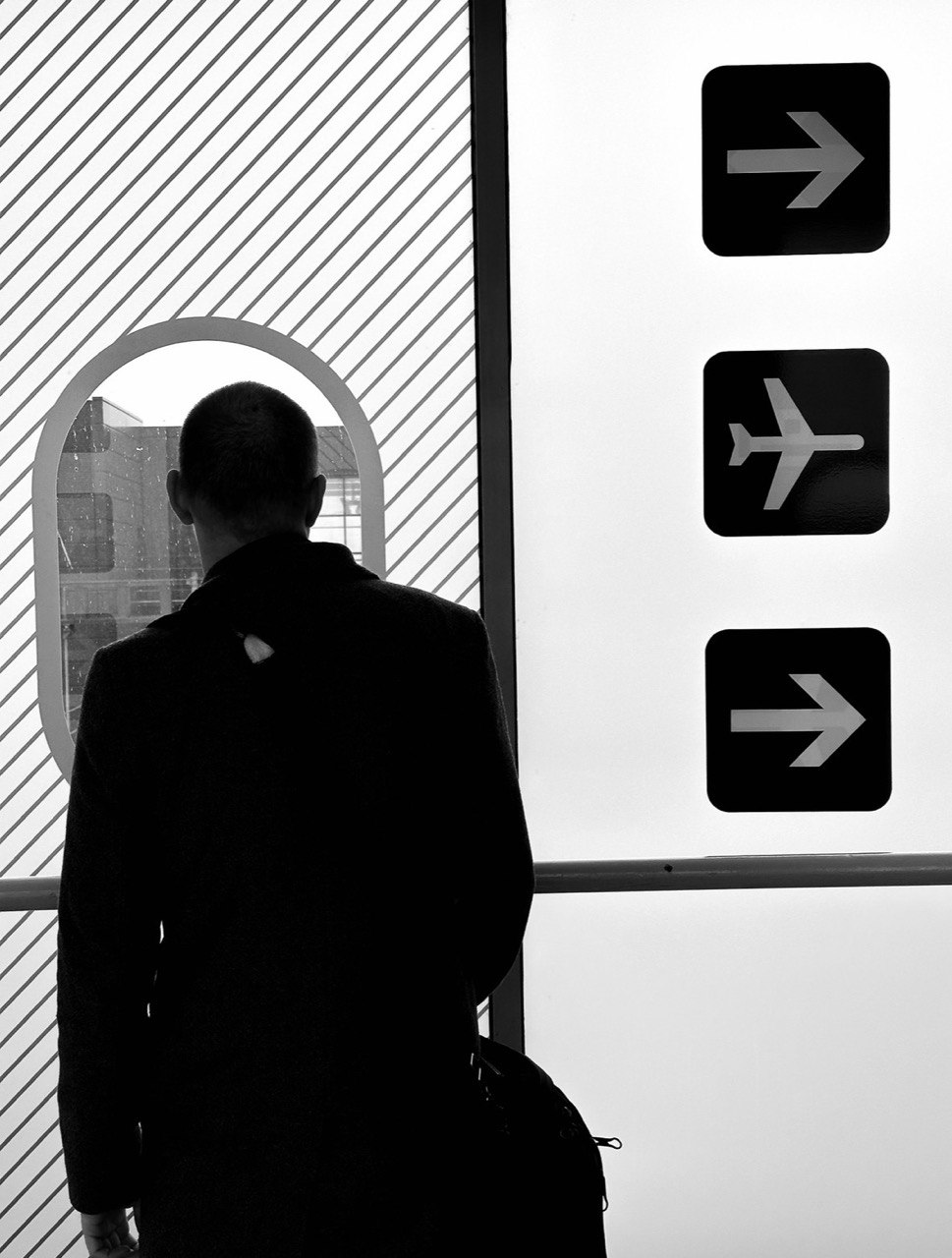
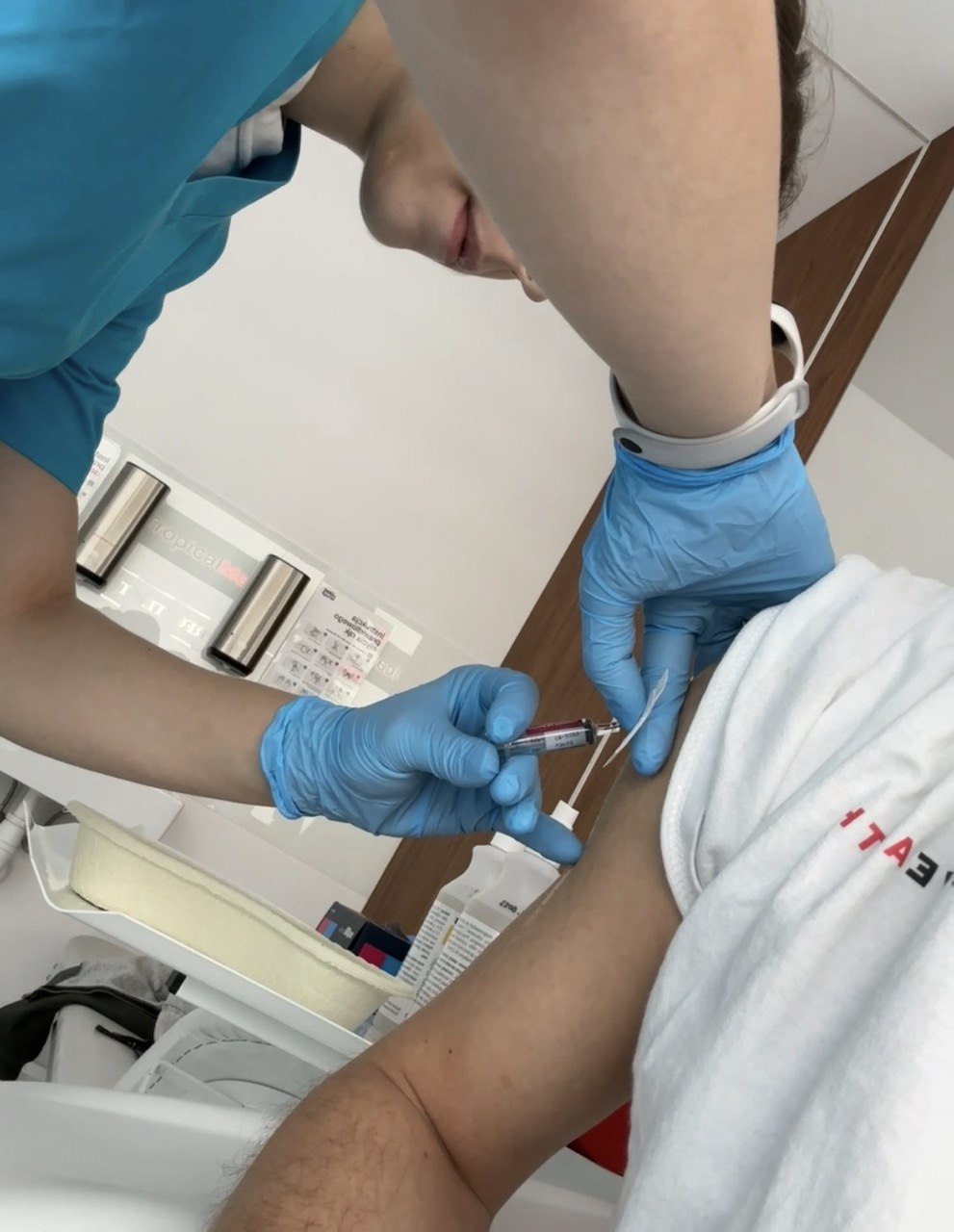
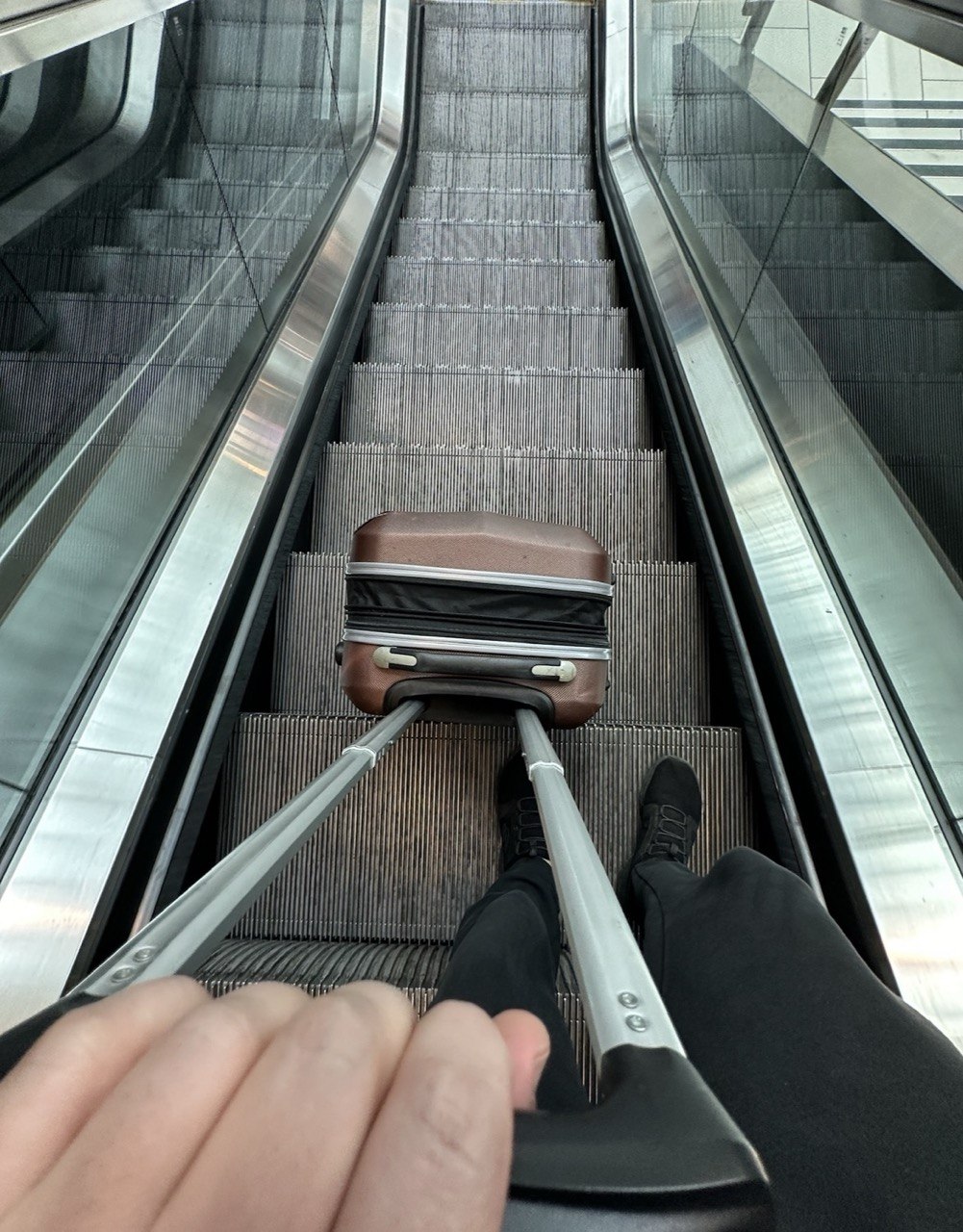
Before the plane even took off, there was a mountain of work nobody ever sees. Visas. Vaccinations. Flights. Gear that has to fit in the luggage and survive the trip. Paperwork at the airport. That's what production looks like when the budget is next to nothing and you still want to make something at a real level. Everyone sees the finished piece. Almost nobody sees the month before it.
But the system was ready. The goal was clear. The approach agreed. The crew, one person though it was, chosen. The rest would happen on the ground.
That was part one. Before the camera rolled.
Zawsze chcieliśmy zrobić dokument. Tylko musiał być właściwy.
Origin
Filmy, które najczęściej widujemy wokół tematu studni i pomocy w Afryce, mają jeden i ten sam kształt: duże organizacje przylatują na dwa tygodnie, kierują kamerę w którą stronę trzeba, wyjeżdżają, wrzucają zdjęcia, i jadą na nich przez lata. Nie ufamy tym filmom. Nie ufamy tym zdjęciom. Historia, która jest pod spodem, rzadko jest tą, którą opowiadają.
Więc kiedy pojawiła się okazja, która była dokładnie odwrotnością tego, ruszyliśmy szybko.
Blockchain w mediach nadal ma słabą prasę. Scam, cryptobros, bezużyteczna spekulacja. My widzimy to inaczej. Widzimy technologię, która jest z natury odporna na oszustwo, dobrze radzi sobie z uwierzytelnianiem, buduje historię, której nie da się skasować, i pozwala rozdzielać środki po świecie w sposób, który wcześniej nie był możliwy. Ale wiedzieliśmy jedno: samo mówienie tego niczego nie zmieni. Ktoś musi pokazać, że to działa.
Więc szukaliśmy projektu, w którym to widać. Konkretnego, prawdziwego, użytecznego. Nie prezentacji na konferencji. Nie posta w internecie. Rzeczy, która realnie się dzieje w świecie, i którą blockchain naprawdę umożliwia.
Kickstart
Odezwał się do nas ktoś z tej samej społeczności. „Zerknijcie na to, on robi coś, o czym warto opowiedzieć." Poszliśmy zobaczyć.
Kampanię prowadził Sam Boadi, znany na platformie jako @mcsamm, Ghańczyk, aktywny użytkownik blockchain Hive. Zauważył coś, co dla wielu ludzi w jego kraju nadal jest problemem: dostęp do wody. Nie w formie postulatu politycznego, tylko dosłownie. Ludzie chodzą po wodę godzinami. Zbudował kampanię na blockchainie, opisywał każdą studnię, każdy postęp, każdą wieś. Społeczność z całego świata się zrzuciła. Studnie zaczęły powstawać.
I to było to. Osoba u źródła nie była kimś z Europy, kto przyjechał to naprawić. Był to Ghańczyk, rozwiązujący swój problem u siebie, z narzędziem, które go do tego umożliwiło. Blockchain, o którym większość świata myśli, że to spekulacja, tutaj działał jako infrastruktura pomocy. Dokładnie taka historia, jakiej szukaliśmy.
Przy okazji zdaliśmy sobie sprawę, że film, który zrobimy, nie może wyglądać jak większość dokumentów o Afryce. Cały pomysł polegał na tym, żeby jedyny biały człowiek w tym środowisku był za kamerą, a nie przed nią. Żeby opowiadać historię przez to, co on widzi, a nie przez to, co ma do powiedzenia. Żeby narratorem był Sam, nie my.
To był moment, w którym z rozmowy zrobił się projekt. Bez umowy, bez zlecenia, bez budżetu, o którym można poważnie mówić. Charytatywny projekt, żeby było jasne, znaczy budżet praktycznie zerowy, porównywalny do lokalnej firmowej imprezy dla trzydziestu osób. To była nasza inwestycja, nie ich.
Outcome
Postanowiliśmy, że jedzie jedna osoba. Bo tyle stać było ten projekt. Jeden operator, który sam robi zdjęcia z drona, sam kręci wywiady, sam zbiera dźwięk, sam prowadzi ujęcia, sam reżyseruje na miejscu. Edytora dobierzemy dopiero po powrocie do Polski.
Zanim samolot wystartował, poszła masa pracy, której nikt nigdy nie widzi. Wizy. Szczepienia. Loty. Sprzęt, który musi zmieścić się w bagażu i przetrwać transport. Papierologia na lotnisku. Tak wygląda produkcja, kiedy ma się budżet niemal zerowy, a mimo to chce się zrobić coś na poziomie. Efekt końcowy widzi każdy. Miesiąc przygotowań przed nim, prawie nikt.
Ale system był gotowy. Cel jasny. Podejście uzgodnione. Ekipa, choć jednoosobowa, wybrana. Reszta miała się wydarzyć na miejscu.
To była część pierwsza. Zanim ruszyła kamera.